Balcony gardening, one constraint at a time
Grow well on the balcony you have.
Choose plants by what your space can support: the light that reaches it, the wind it takes, the weight it can carry, and how often you can water.
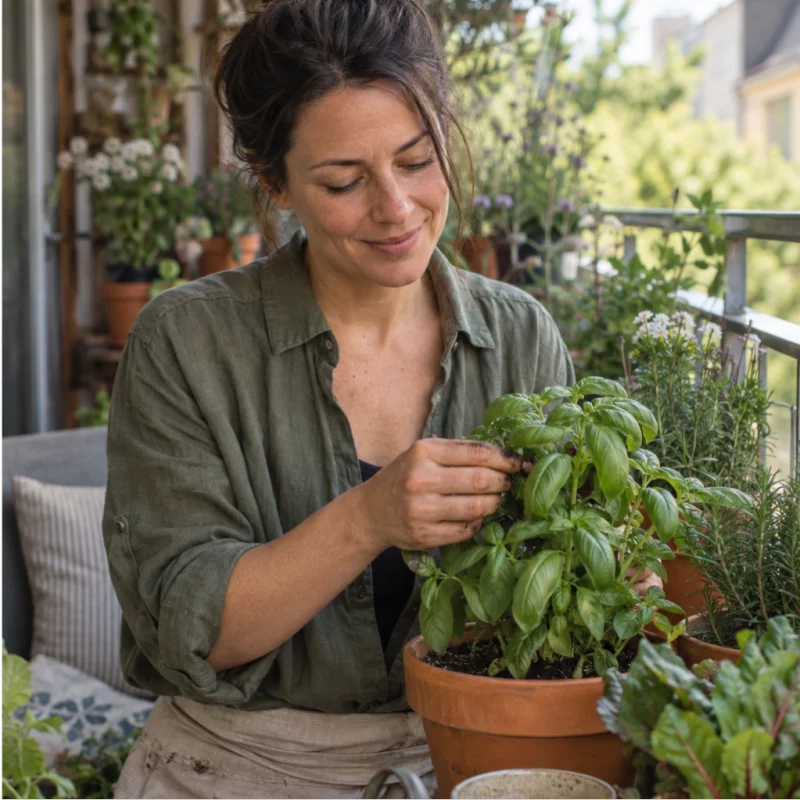
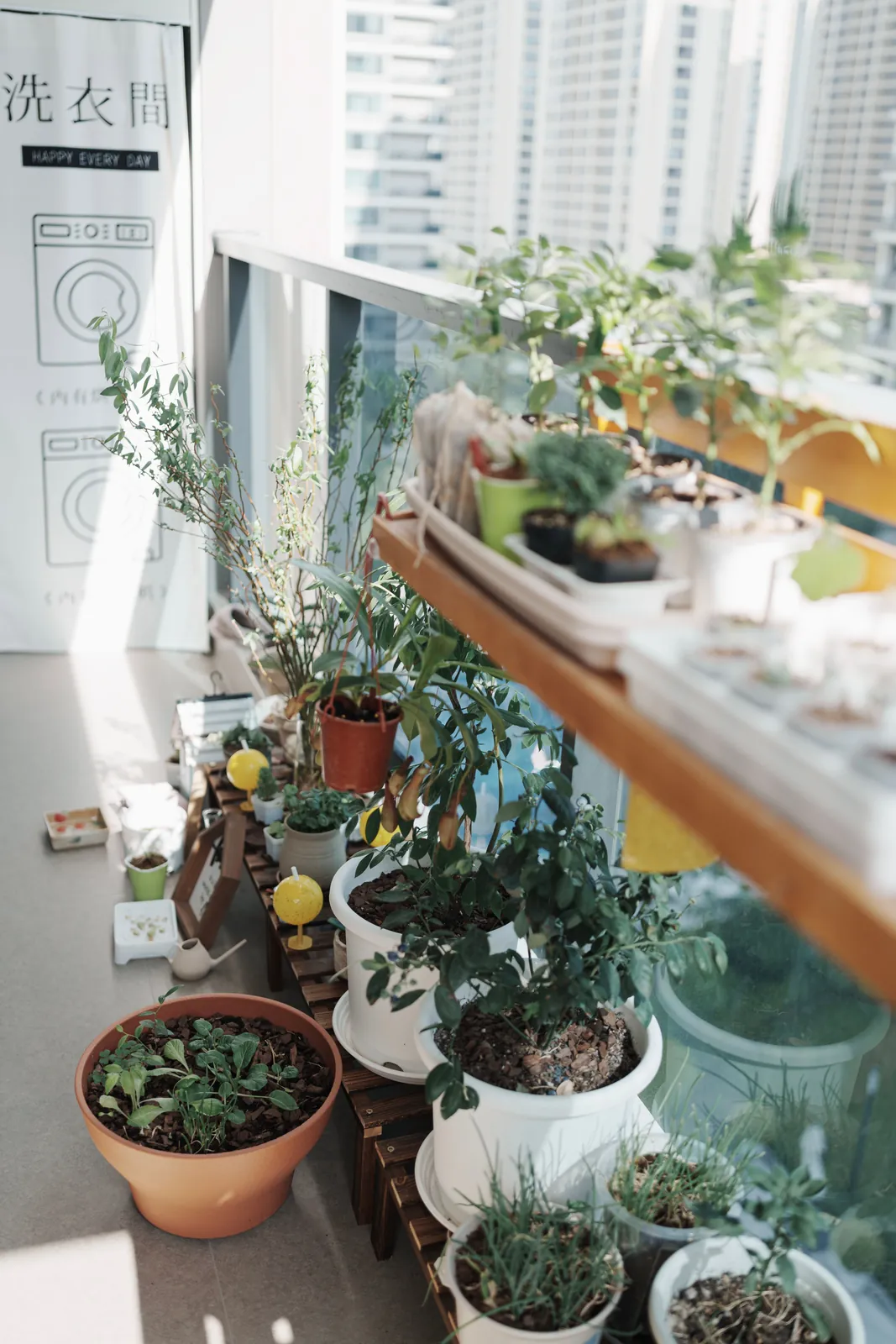 Potted herbs on a city balcony
The BalconySprout method
Read the balcony before buying plants.
Ground-level advice often assumes open soil, steady sun, and a nearby hose. A balcony changes all three. Check these four conditions first, then use the guides written for the condition you found.
Light
Face the balcony, then count the hours when direct sun reaches the pots, not just the building.
Do the sun-hour test → 02Weight
Wet soil is heavy. Know your load limits and where the safe, structural edges of your balcony are.
Weigh your setup → 03Wind
Height multiplies wind. It dries pots, snaps stems, and topples top-heavy containers, so we plan for it.
Read your exposure → 04Water
Without a tap nearby, the routine depends on pot size, drainage, heat, and how often you are home.
Plan your watering →Start here
Start with your balcony, not with a plant.
Walk through the checks in order. You can do most of them with your phone, a notebook, and one quiet day at home.
Understand your space
Write down direct-sun hours, notice the strongest gusts, and check the building rules before choosing a container.
Choose suitable containers & plants
Match container size, drainage, and material to the conditions, then choose plants with needs your balcony can meet.
Build a manageable routine
Set a watering and feeding rhythm that fits the workweek and the distance to the nearest tap. Leave room for hot or windy days.
Choose your growing situation
Find the balcony that looks like yours.
Pick the condition that controls most of your decisions. Each card opens a field guide written for that situation.
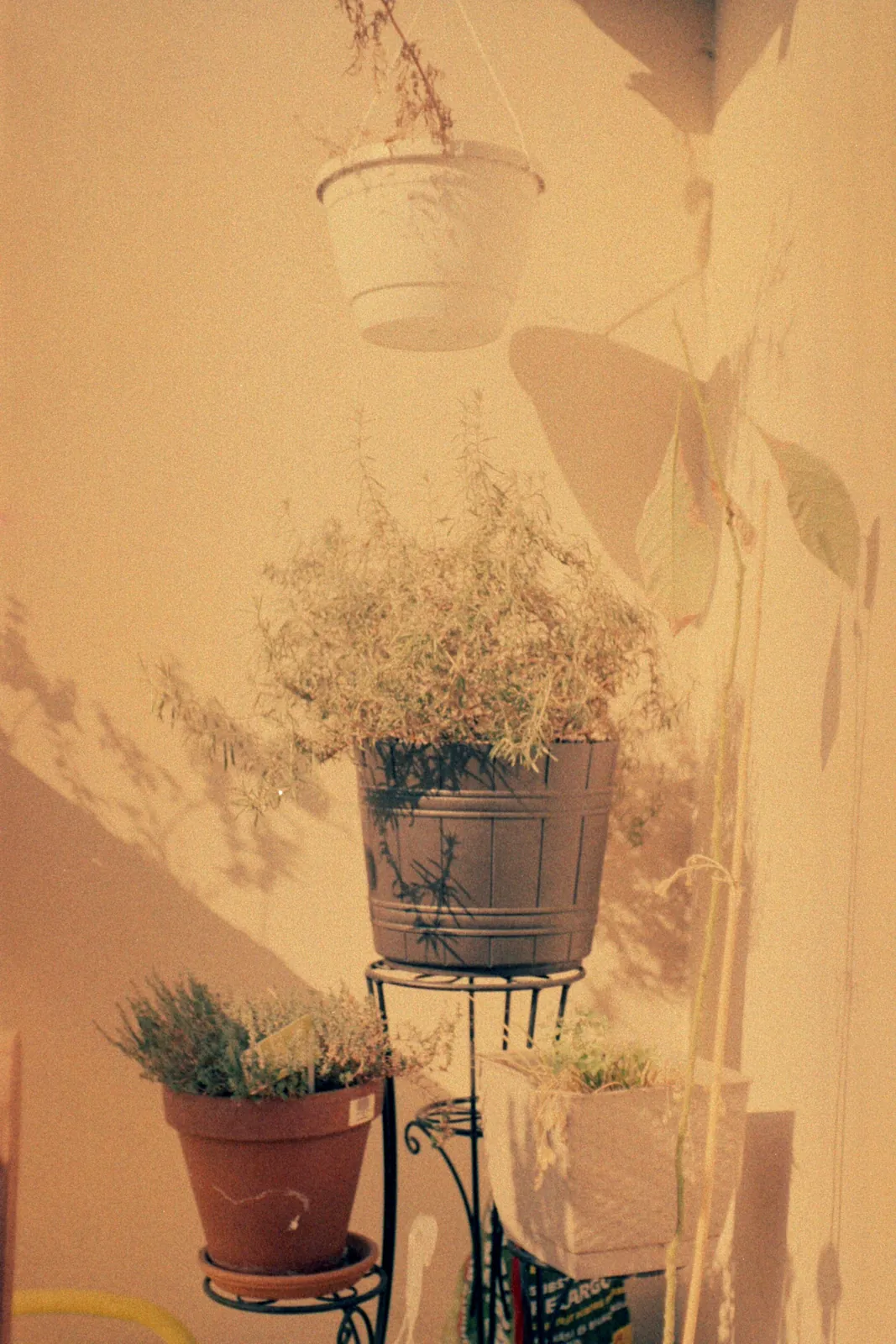 Low light
The Shady Balcony
Match leafy crops, herbs, and foliage to measured shade.
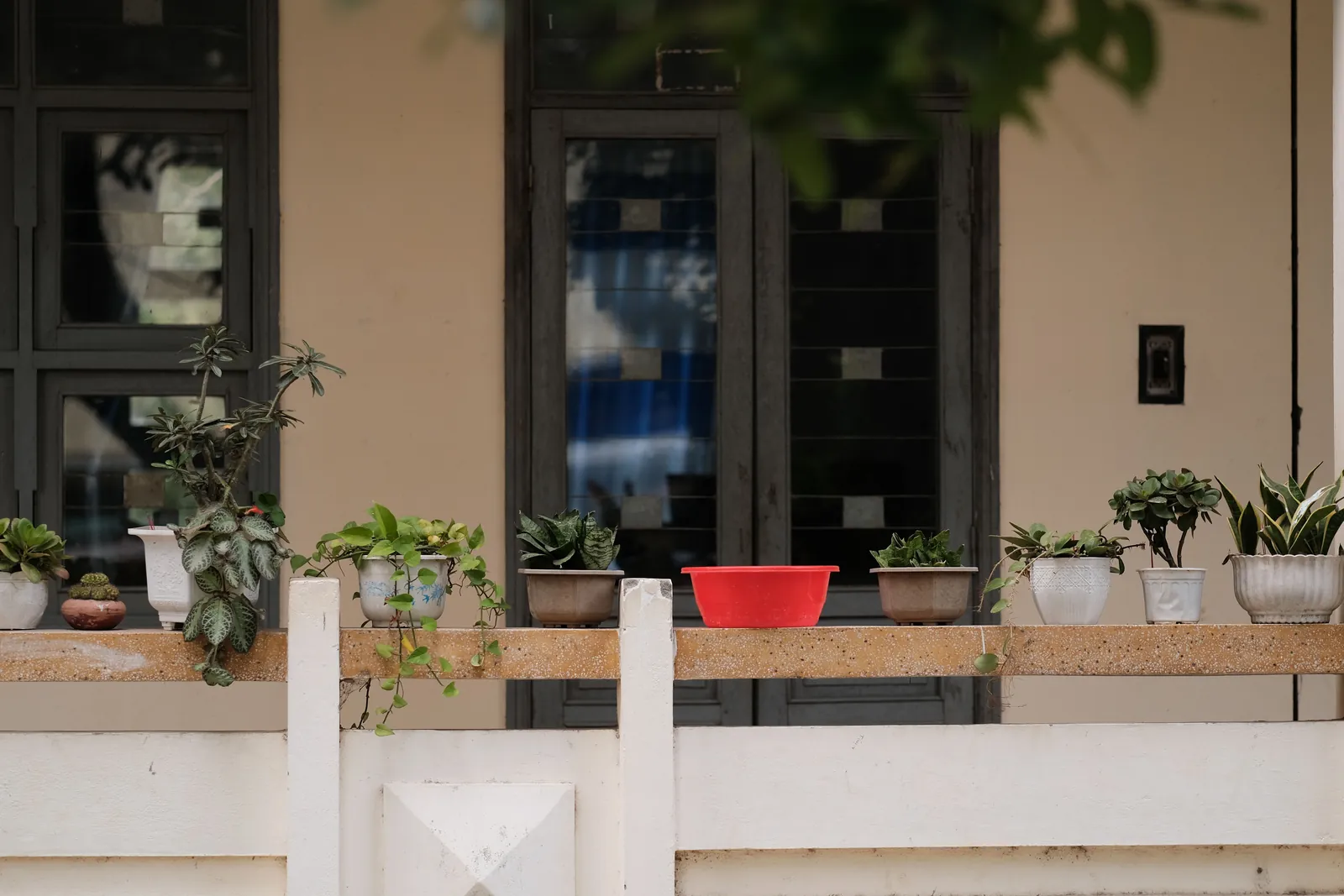 Full exposure
The Sunny Balcony
Making the most of heat without cooking your roots.
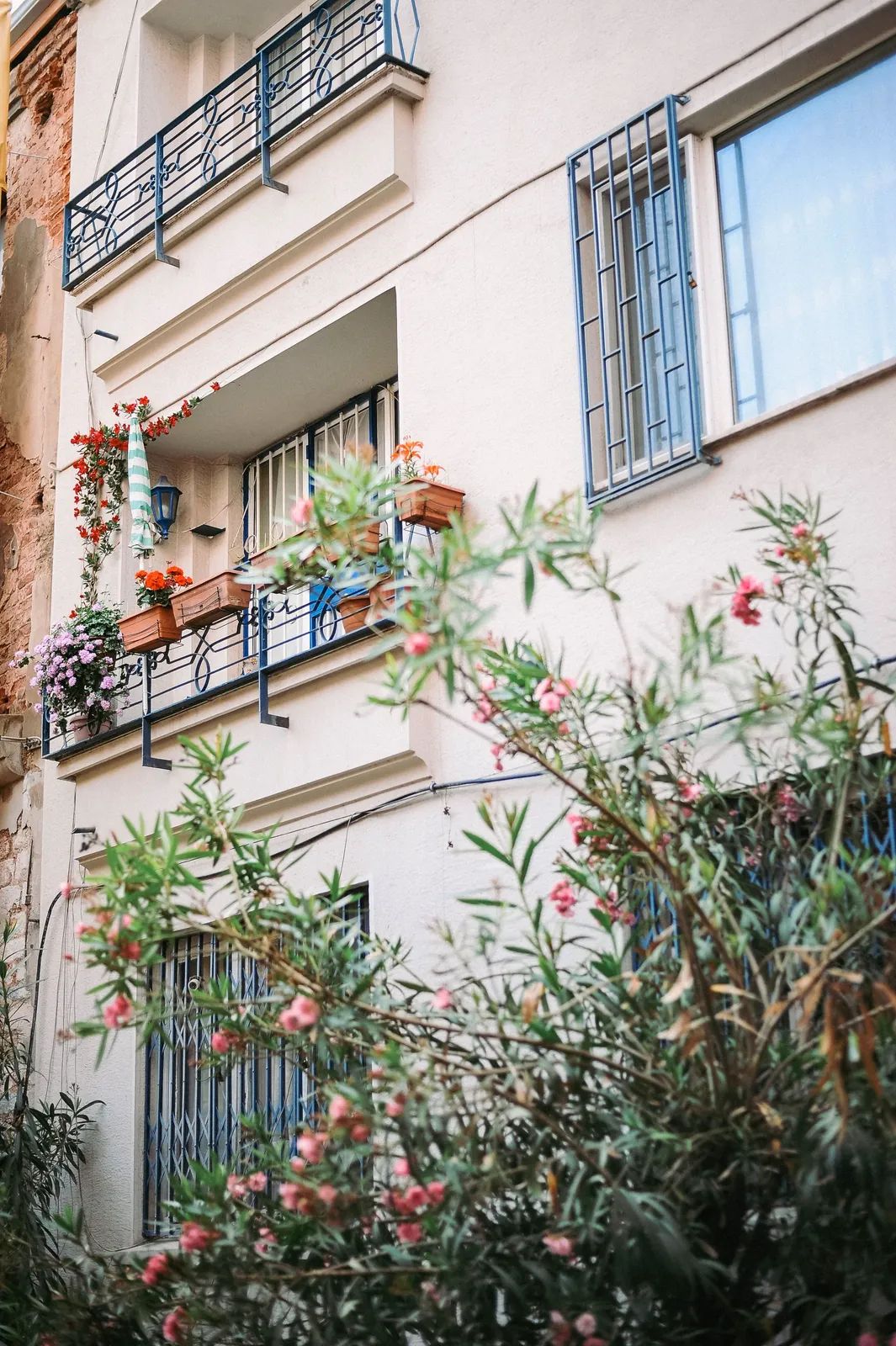 High & exposed
The Windy Balcony
Lower planting, stable containers, and a safer wind plan.
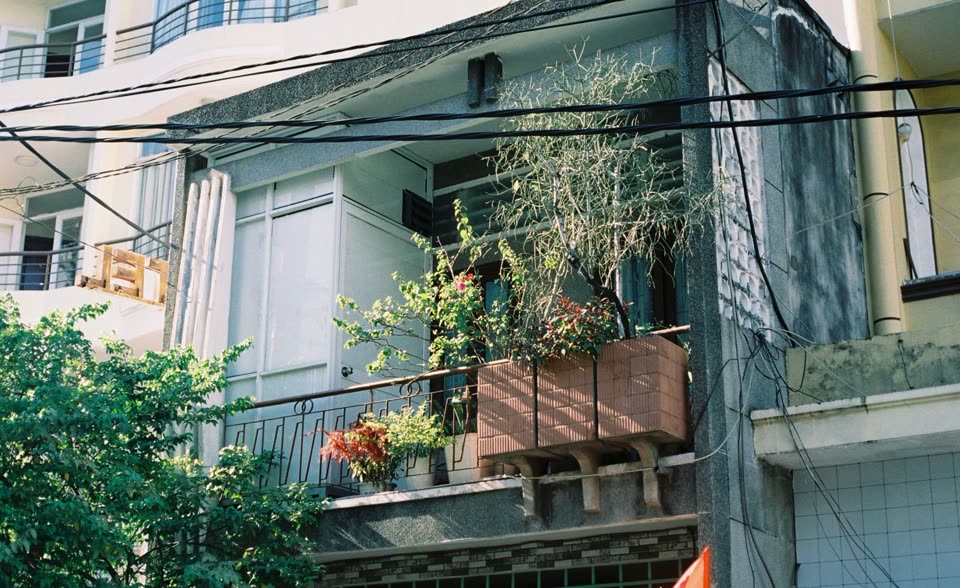 Under 3m²
The Tiny Balcony
Layouts that preserve a clear path and useful floor space.
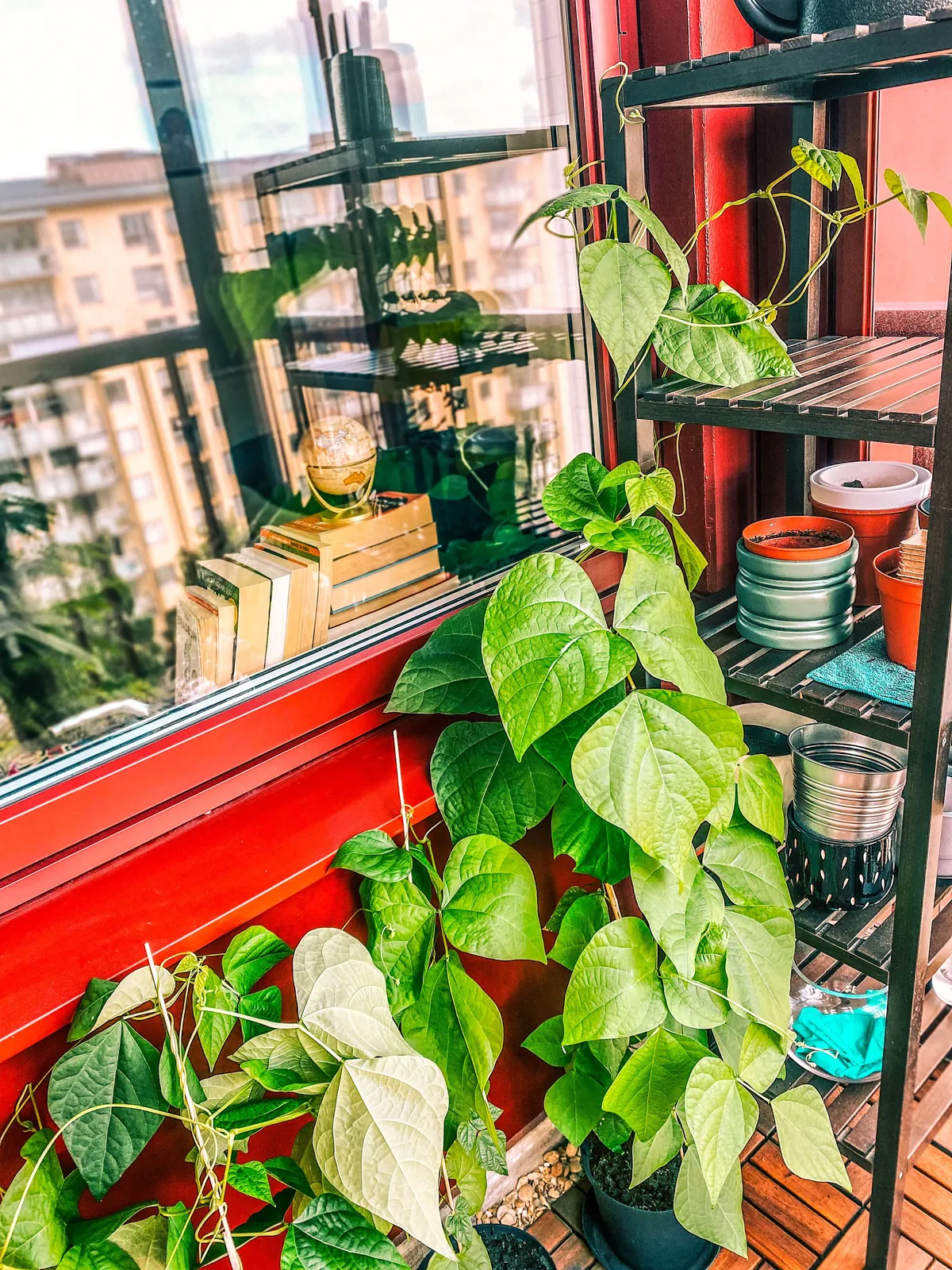 Grow & eat
The Edible Balcony
Herbs, salads, and crops that earn their pot.
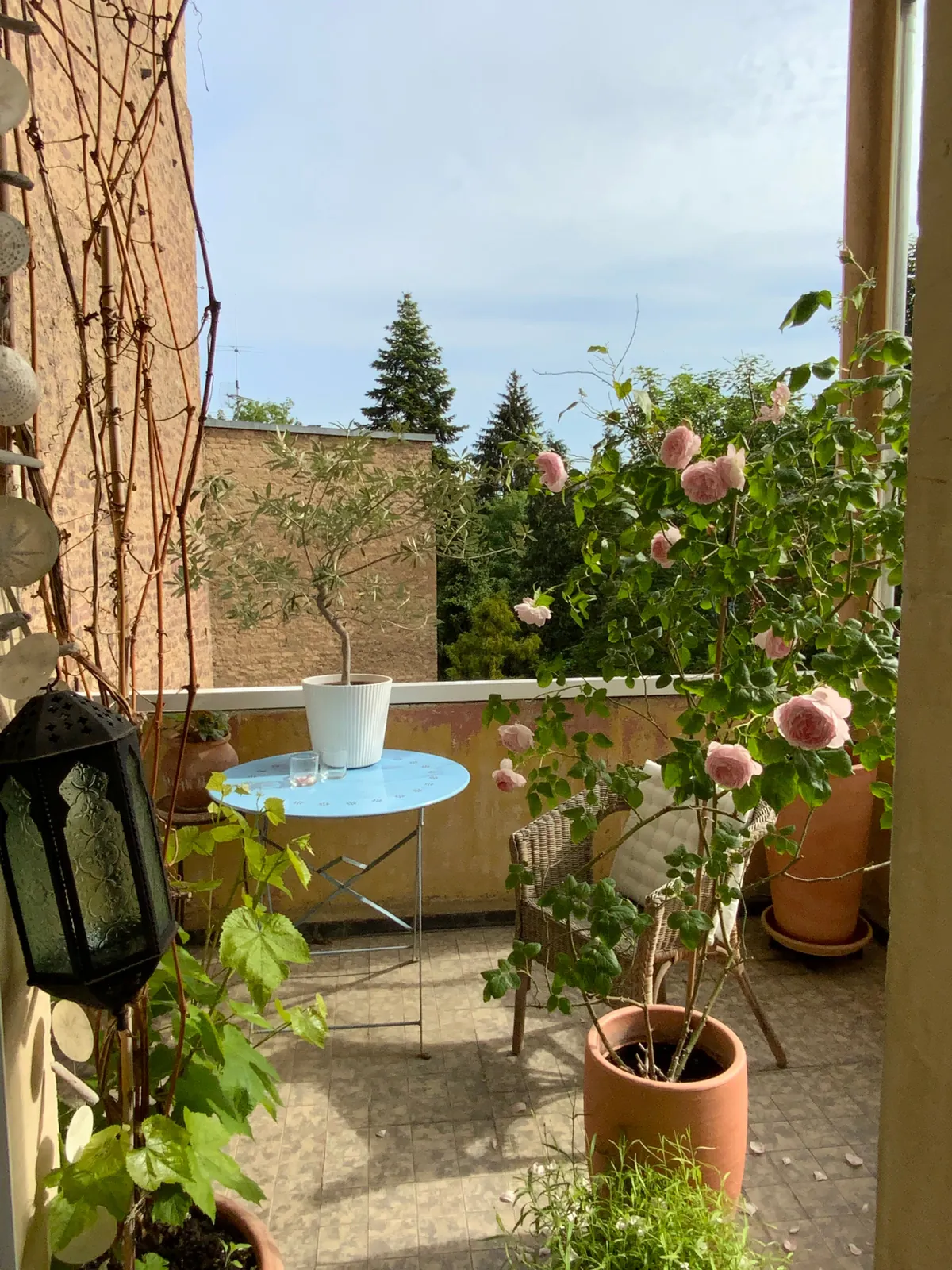 Colour & pollinators
The Flowering Balcony
Compatible flowers, enough root room, and longer bloom.
Photography: JUNLIN ZOU, Zsófia Fehér, Pew Nguyen, Daka, Thanh Lâm, Meera Ranganathan, and Lydia Griva via Pexels.
In season now · July
The high-summer balcony survival guide.
The practical guide library
Organized by the problem in front of you.
Choose a shelf by the decision you need to make, from diagnosing a failing plant to planning a first-season layout.
“It keeps dying”
Troubleshooting the usual balcony killers.
“I’m just starting”
First-season foundations, nothing assumed.
“Make it work in my space”
No-drill, no-damage, take-it-with-you setups.
Who’s behind this site
Hi, I’m Maya.
Why are the leaves turning yellow? Is this pot too small? Am I watering too much? Those are the questions I actually like answering, because they’re usually where someone starts to really understand their plants.
I studied horticulture in Seattle and I’m still continuing my studies in plant sciences now, so in a lot of ways I’m learning right alongside you. Along the way I’ve worked in a garden center and spent time helping out in a community garden, which meant a lot of beginner questions just like those.
Most of what I write here is about container gardening, herbs, edible plants, and growing in small spaces. I keep it simple, because gardening can already feel confusing when you’re new to it, and I don’t pretend every plant thrives. Sometimes the fix really is just a bigger pot, or a better spot for it.